
A 300-hour Peace Educator Training at the Sivananda ashram in Da Lat, Vietnam — training peacebuilders through classical yoga philosophy and practice.
Peace Educator Training
A year program - 300 Hour Yoga for Peace
Inner Peace. Compassionate Action.
Become A Peace Educator
The Sivananda Peace Education Training seeks to nurture peace educators and compassionate leaders who embody the timeless wisdom of Yoga and Vedanta while integrating the best insights of modern psychology, communication, and peace studies.
Through self-transformation, service, and spiritual awakening, participants are encouraged to become instruments of peace and contributors to the healing and well-being of humanity.
Promote holistic peace/conflict transformative practices and methods as an accessible way to wellbeing and peaceful development of individuals and society. Apply classical Yoga and Vedanta philosophy to address specific disharmonious conditions in a person, a family or a community.
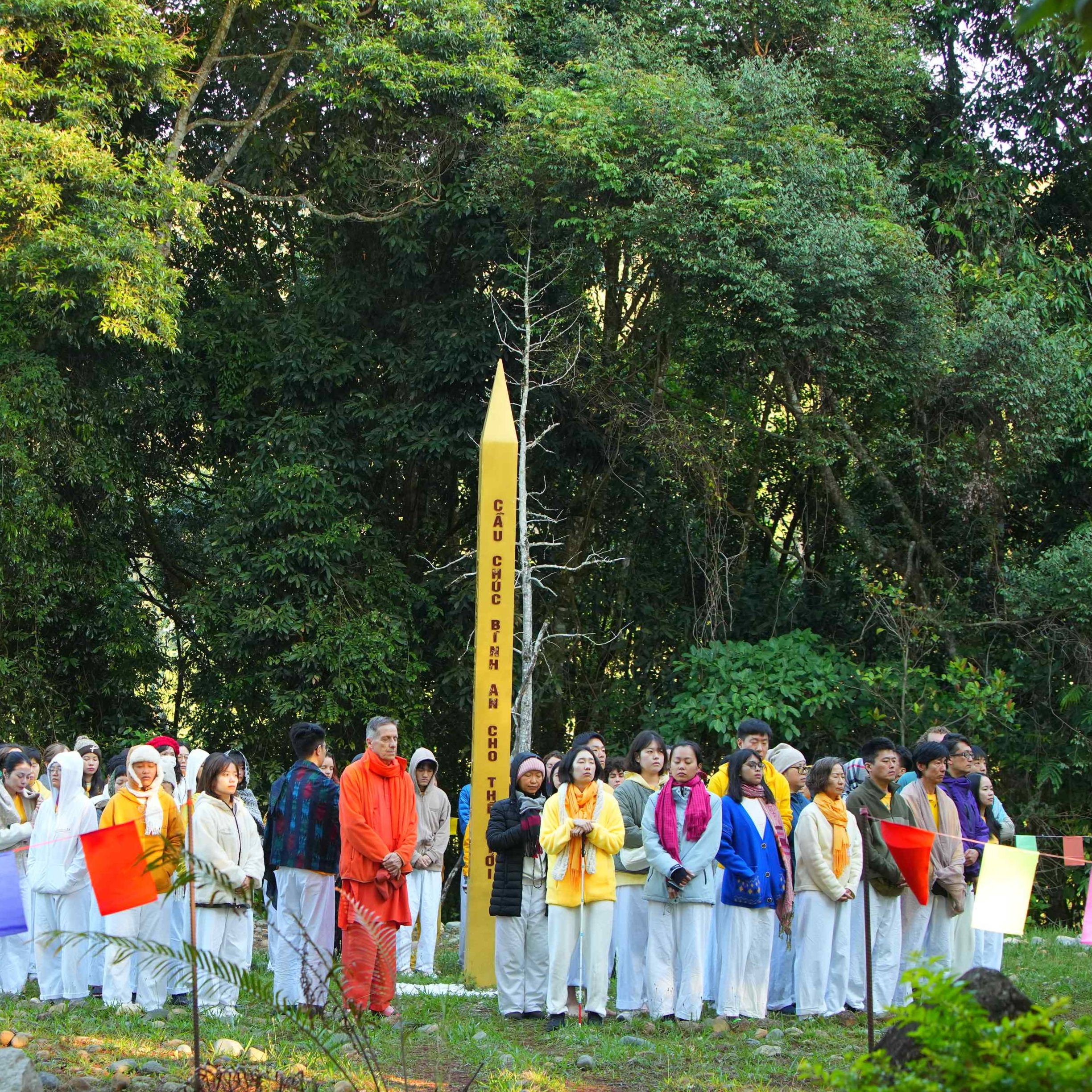
Heal yourself • Heal the world
The world needs more peacemakers. This inspiring introduction by Swami Sitaramananda offers a glimpse into the vision and purpose of the Peace Educator Training Course.
Why Peace Educator Training?
Prompted by the confusion, anxiety, violence, and divisions of the world today, we revisited the wisdom of the great spiritual traditions and found timeless teachings that inspired the creation of the Sivananda Peace Education Training program.
“Blessed are the peacemakers, for they shall be called children of God.”
“Reform yourself. Society will reform itself. That is the only solution for the establishment of permanent peace. This is not pessimism but glorious optimism. This is not escapism; it is the only way to face the situation.”
— Swami Sivananda
Benefits of Peace Educator Training
Healing Self • Healing Relationships • Healing the World
Transform Yourself from Within
Learn practical tools for resilience, compassionate communication, conflict transformation, trauma awareness, Yoga philosophy, and conscious leadership.
Become the Leader the World Needs
Become an instrument of peace and a force for healing in your family, community, and the world.
Where Ancient Wisdom Meets Modern Challenges
Rooted in the timeless wisdom of Yoga and Vedanta and informed by contemporary peace studies and psychology.
Tuition
1-year program Tuition
Regular Tuition: USD 3,600 per person Tuition covers the training only. Accommodation and meals are not included.
Early Bird Discounts
| Registration Deadline | Discount | Tuition |
|---|---|---|
| Register by August 20, 2026 | 20% OFF | USD 2,880 |
| Register by November 20, 2026 | 10% OFF | USD 3,240 |
Accommodation
per residential module
-
Room Type Cost Shared Room (4 people) USD 280 per person Shared Room (2 people) USD 490 per person Single Room USD 637 - Accommodation and meals are charged separately for each residential module
Residential Modules (Vietnam)
Module 1: January 6–14, 2027
Module 2: May 5–13, 2027
Module 3: July 3–12, 2027
Module 4: Distance Learning & Practicum
Program Overview
Module 1
January 6–14, 2027
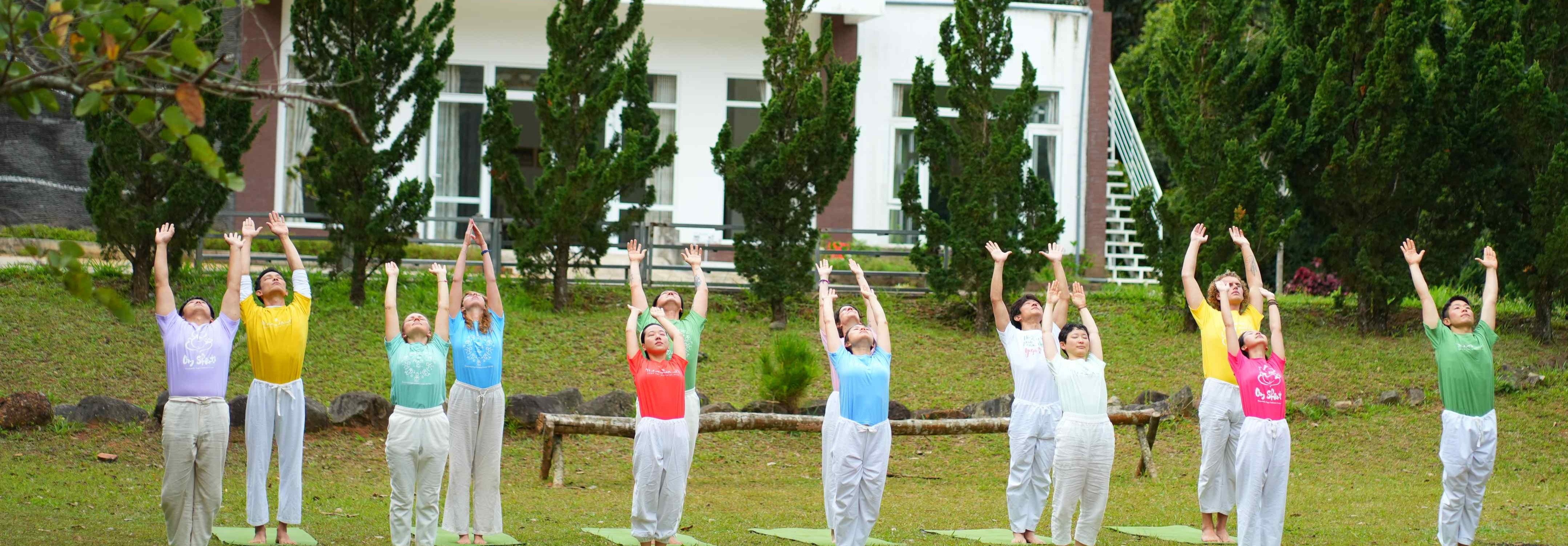
Yoga Life and Peace Educator Yoga and the Mind Methods and Steps to Inner Peace
Detail
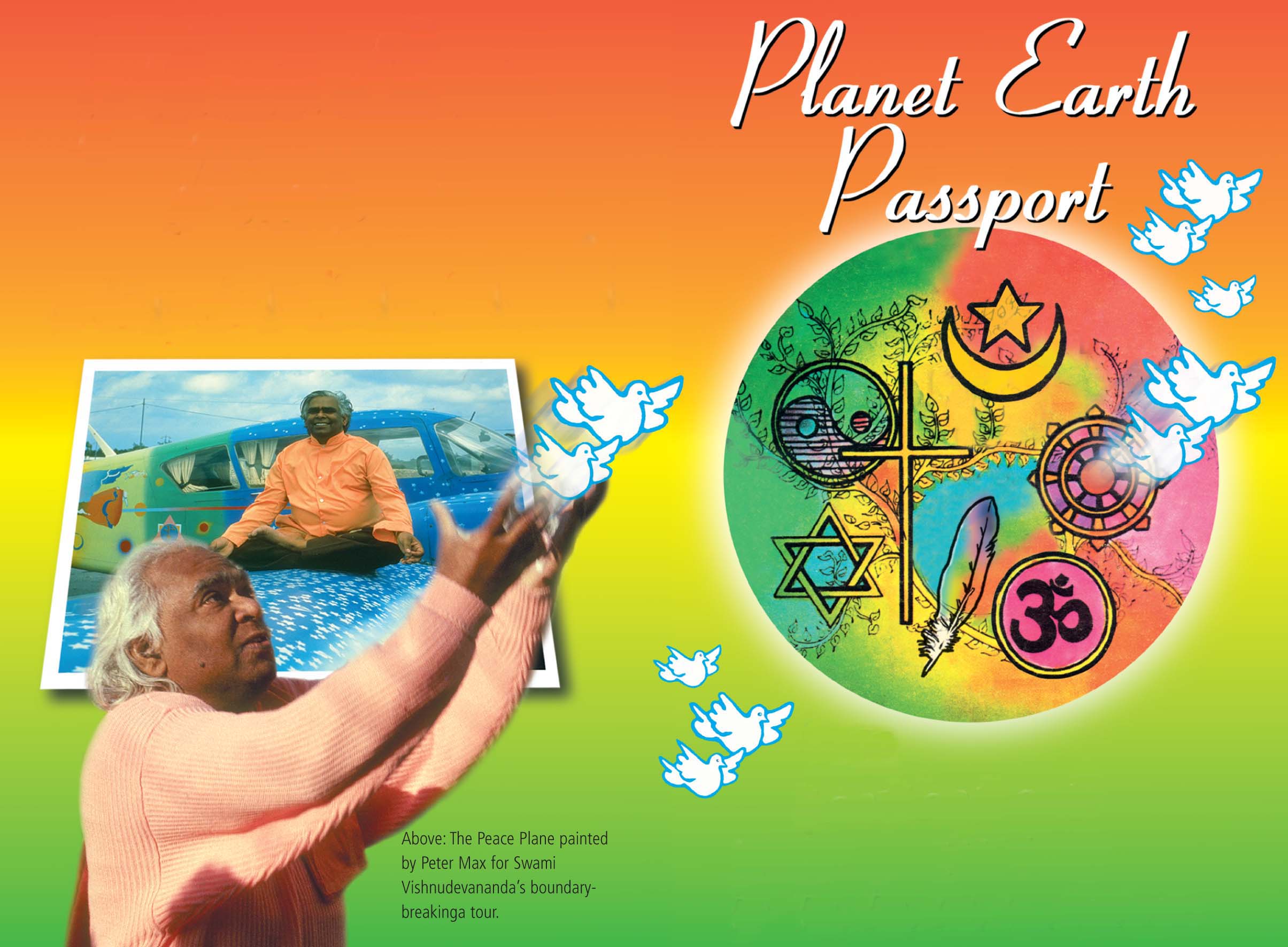
Peace begins within. This foundational module introduces the principles and lifestyle of Yoga as a holistic path to inner harmony and social transformation. Drawing on the teachings of Swami Sivananda and the classical synthesis of Yoga, students explore how peace can be cultivated through right living, self-awareness, relaxation, and the intelligent management of life-force (prana). This course also draw inspiration from the peace organization of Swami Vishnudevanandaji (TWO) and his peace flight in 1970s.
Participants will examine the role of the Peace Educator as both a leader and a healer, and reflect on the relationship between personal well-being and collective peace. Through practical tools for stress resilience, relaxation, and environmental awareness, this module provides a strong basis for developing a peaceful, balanced, and service-oriented life.
Learning Themes
- The synthesis of Yoga (4 paths: Karma Yoga, Bhakti Yoga, Raja Yoga, Jnana Yoga) as a path to peace
-
The Five Points of Yoga Life for physical, mental, and spiritual well-being
- Asana – Proper Exercise
- Pranayama – Proper Breathing
- Savasana – Proper Relaxation
- Sattvic – Vegetarian Diet
- Vedanta & Dhyana – Positive Thinking & Meditation
- The mission and qualities of the Sivananda Yoga Peace Educator
- Two complementary roles of the Peace Educator: Leader and Healer
- Understanding inner peace and world peace
- The importance of physical, mental, and spiritual relaxation
- Prana and the energetic environment: how to preserve and enhance life-force
- Building resilience and responding to stress with wisdom and equanimity
- Cultivate a peaceful lifestyle that contributes to individual and collective well-being
Module Aim
To provide students with a practical and philosophical foundation for living and teaching peace through the integrated wisdom of Yoga and Ayurveda, empowering them to become instruments of healing, harmony, and compassionate leadership in their communities and in the world.
Module 2
May 5–13, 2027
Relationnal peace and the ethics of Oneness
Detail
Global Citizen Skills
In an increasingly interconnected world, peace requires individuals who embody both inner strength and universal compassion. This module explores the concept of the Global Citizen as a Spiritual Warrior—one who recognizes the unity of all life and acts with courage, wisdom, self-discipline, and selfless service.
Drawing from Yoga philosophy, Vedanta, and universal ethical principles, participants learn to cultivate peaceful relationships, emotional maturity, and conscious action. Through the practices of Karma Yoga and Bhakti Yoga, students discover how love, duty, humility, and devotion can transform daily life into a path of personal and collective awakening. The module also examines the principles of human rights, universal laws, and the responsibilities of global citizenship, empowering participants to become compassionate leaders and agents of peace in their communities and in the world.
Module Aim
To inspire participants to become conscious global citizens and spiritual warriors who embody universal values, cultivate selfless love and inner discipline, and actively contribute to peace, justice, and the well-being of humanity through compassionate action and spiritual awareness.
Module 3
July 3–12, 2027
Peace applications for a social and universal peace
Detail
Peace is not merely an ideal to be contemplated, but a living practice to be embodied and shared. This module focuses on the practical application of peace principles in personal relationships, communities, and society. Participants develop the skills and attitudes necessary to serve as facilitators, peace-builders, and compassionate leaders capable of addressing individual and collective suffering.
Drawing from Yoga psychology, Vedanta, Ayurveda, and contemporary approaches to communication and trauma awareness, students learn methods for conflict transformation, group facilitation, and therapeutic relationships. Special attention is given to supporting vulnerable populations and responding to the challenges posed by violence, inequality, social prejudice, environmental crises, and technological change.
Through service, dialogue, and community engagement, this module encourages participants to become active instruments of healing and reconciliation, contributing to a culture of peace founded on understanding, inclusion, and respect for all life.
Learning Themes
- Developing leadership, communication, and group facilitation skills for peace-building and community service.
- Applying yogic approaches to assessment, counseling, meditation, conflict resolution, and personal transformation.
- Using music, pilgrimage, interfaith dialogue, prayers and contemplative practices as tools for healing and social cohesion.
- Understanding trauma and responding compassionately to the needs of vulnerable and marginalized populations.
- Addressing issues of violence, discrimination, addiction, poverty, and mental health through a culture of peace.
- Promoting inclusive and accessible approaches that honor diversity and human dignity.
- Empowering communities through education, mutual support, and compassionate action.
- Cultivating ecological awareness and recognizing the interconnectedness of humanity and the natural world.
- Fostering multicultural understanding, dialogue, and collective resilience in times of social and environmental change.
Module Aim
To equip participants with practical methods and compassionate leadership skills for applying the principles of Yoga and peace education in service to individuals, communities, and the wider world, while fostering healing, inclusion, social responsibility, and reverence for all life.
Module 4 Distance Learning Online (12 weeks)
July–September 2027
Peace Techniques Practicum
Applied knowledge and techniques to educate individuals and groups under the guidance of a mentor.
Detail
Peace and health are deeply interconnected. This concluding module explores the relationship between physical, mental, emotional, and spiritual well-being through the lens of Ayurveda and Yoga. Participants gain an understanding of the causes of suffering and disease, the impact of stress and trauma, and the importance of cultivating resilience, forgiveness, and compassionate care.
The module also emphasizes lifelong learning and professional development through networking, research, and engagement with peace organizations. Through guided practicum experiences and case studies, participants are invited to integrate the knowledge and skills acquired throughout the program into real-life situations involving individuals, groups, and communities facing suffering and conflict.
By combining self-development with practical service, this module supports the emergence of peace educators who are committed to continual growth and dedicated to the healing and well-being of humanity.
Learning Themes
- Understanding the relationship between health, well-being, and peace through the principles of Ayurveda and Yoga.
- Exploring stress, trauma, anxiety, depression, and suicide prevention from a holistic perspective.
- Cultivating forgiveness, resilience, and compassionate approaches to healing emotional suffering.
- Encouraging lifelong learning through research, bibliography, and collaboration with peace organizations.
- Integrating theory and practice through case studies and supervised practicum experiences.
- Applying peace education skills to support individuals and groups experiencing conflict, trauma, loss, or social challenges.
- Developing empathy through bearing witness and learning from historical events and collective suffering.
- Strengthening the capacity for service, reflection, and compassionate leadership in diverse contexts.
Graduation December 2027
Daily Schedule
Please note: • The daily schedule may vary slightly depending on the module. • Attendance at all classes and scheduled activities is required as part of the certification program.
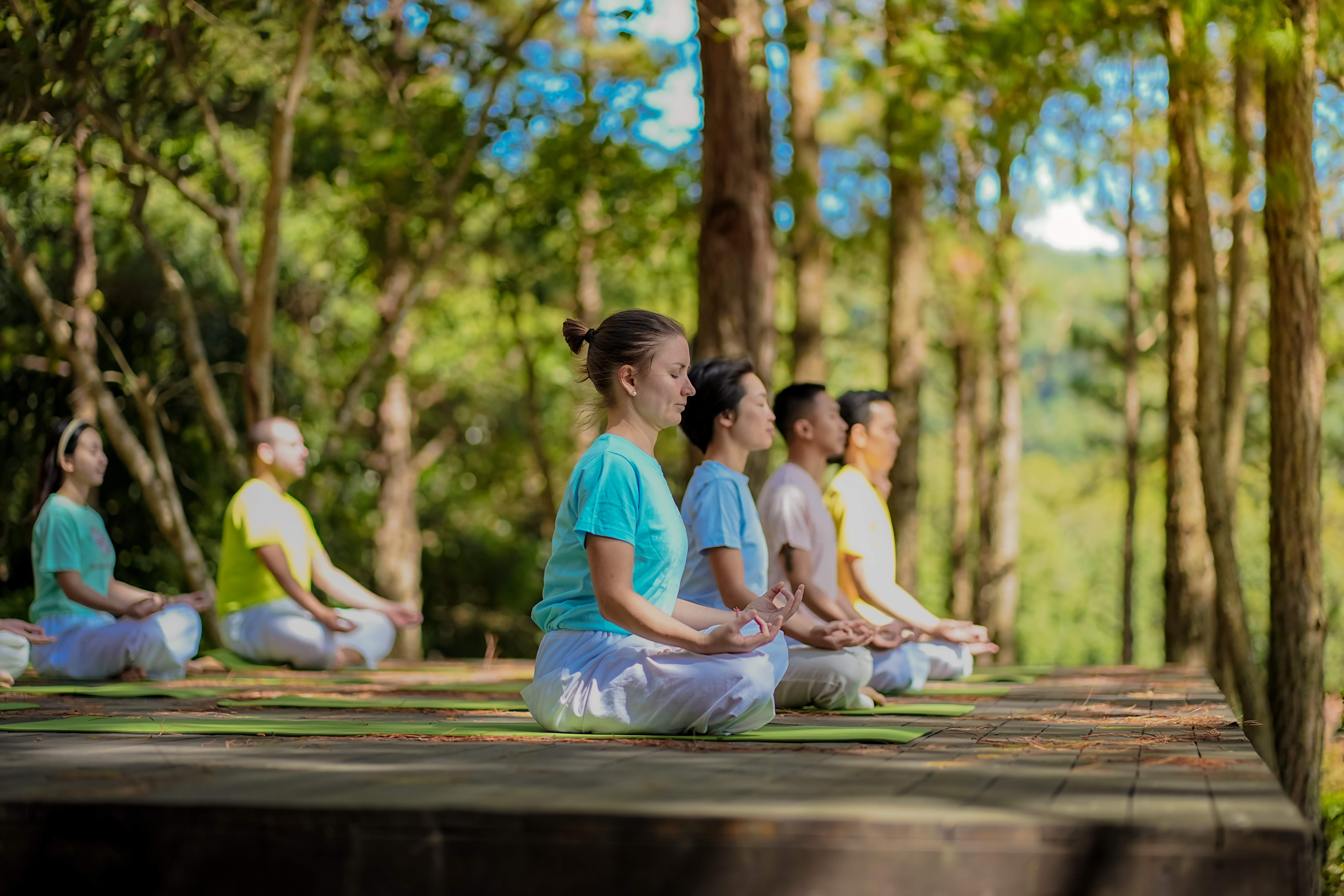
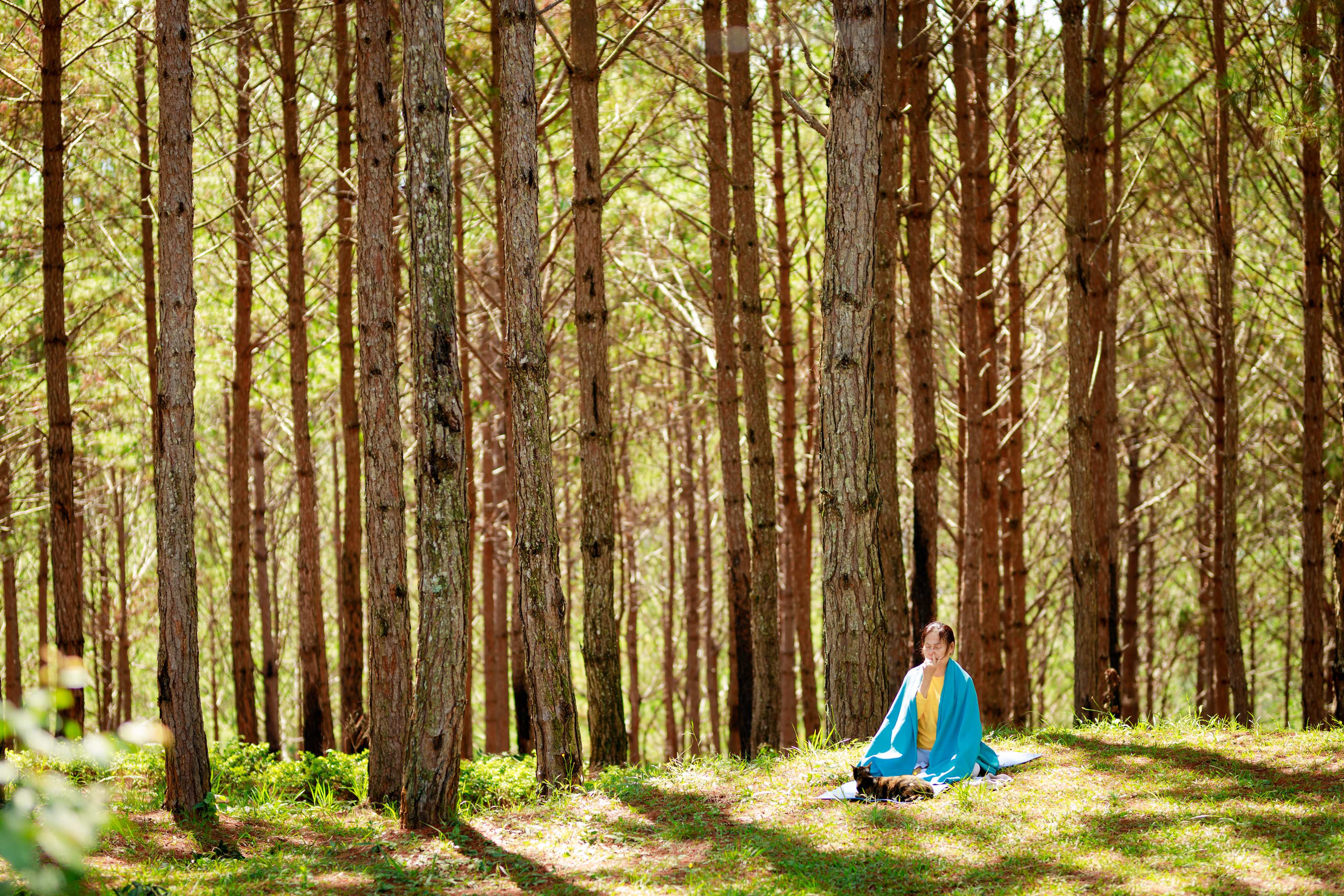
Who Benefits from This Program?
Our Teachers
Sivananda Yoga Dalat Resort & Training Center
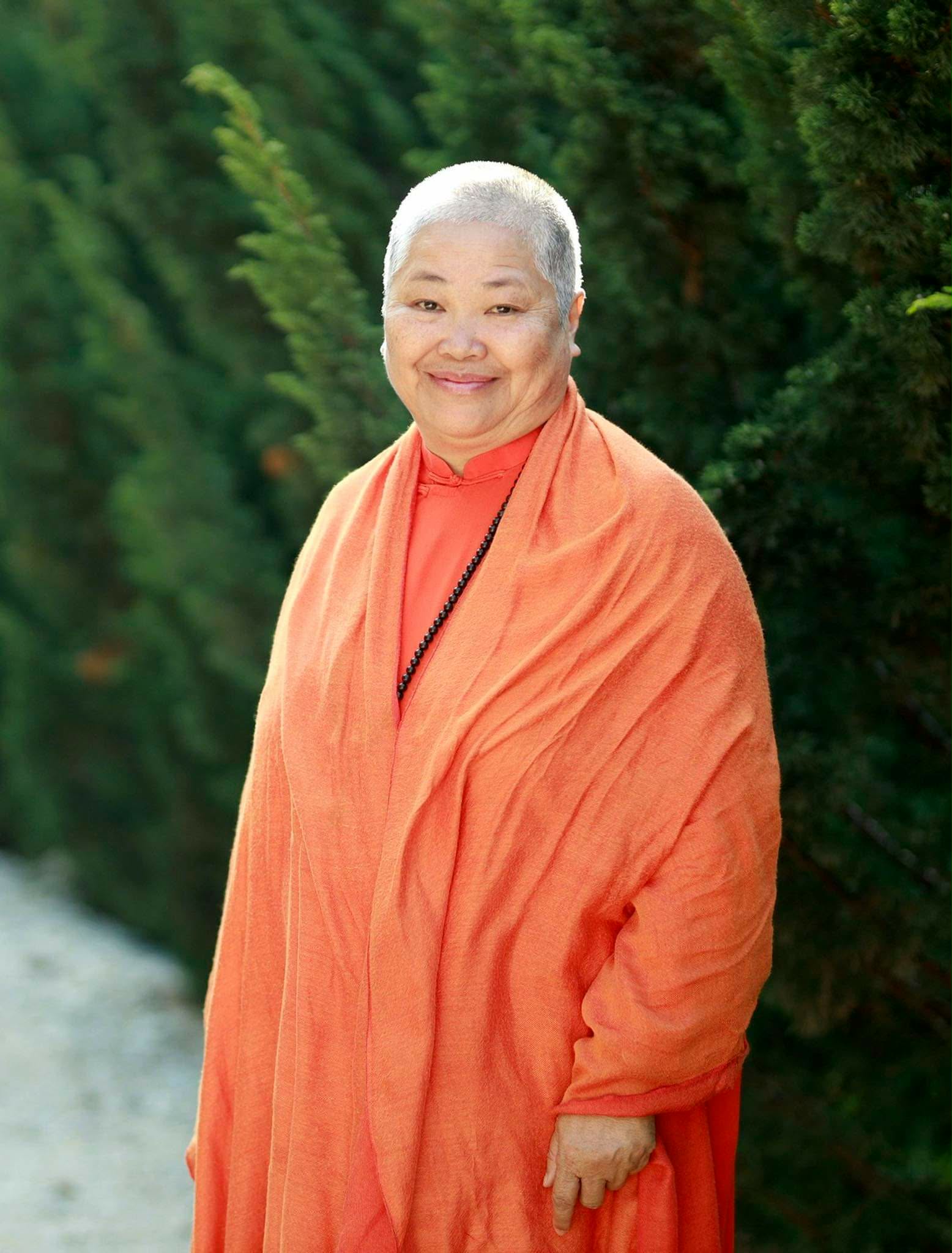
Swami Sitaramananda
Yoga Farm Director, PEACE PSYCHOLOGY & UNITY IN DIVERSITY
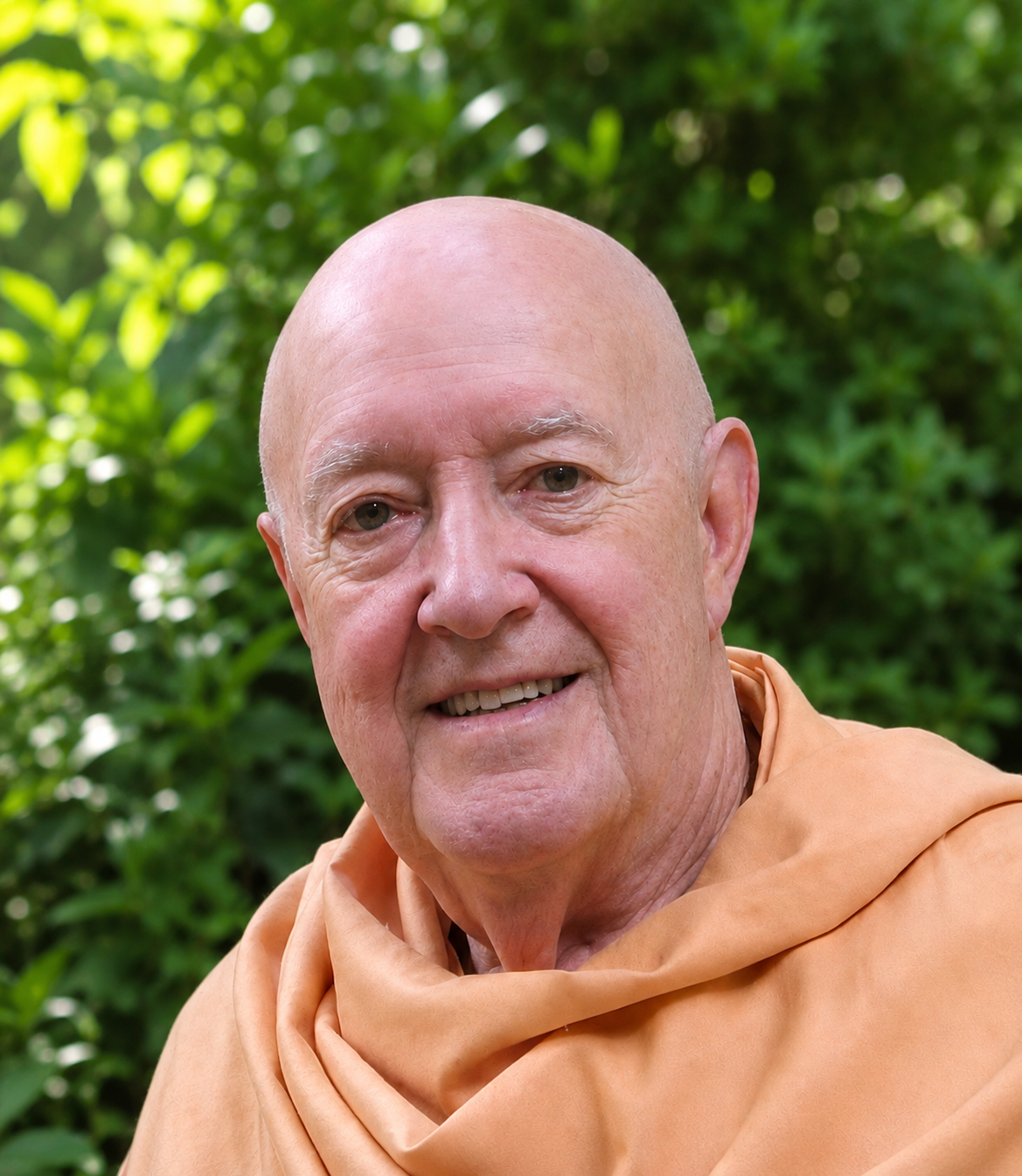
Swami Sankarananda
PEACE PILGRIM & SELF-KNOWLEDGE
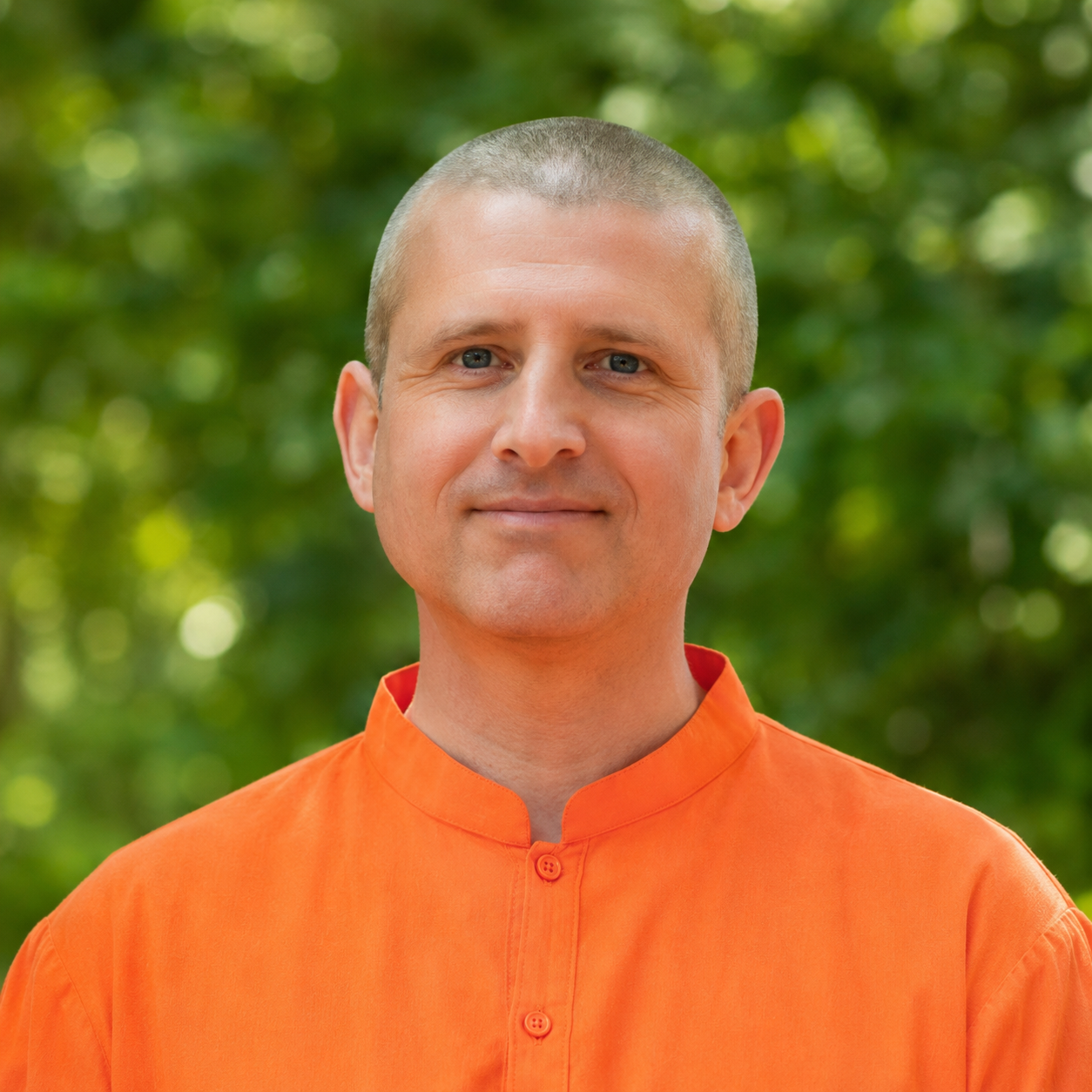
Swami Adiparashaktiananda
YOGA FOR PEACE
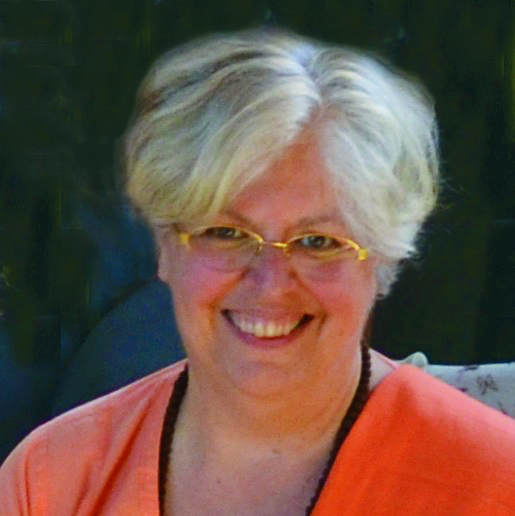
Swami Jnaneswariananda
STRESS RESILIENCE & PEACE
Swami Narayanananda
COMPASSIONATE LISTENING, NON-VIOLENCE
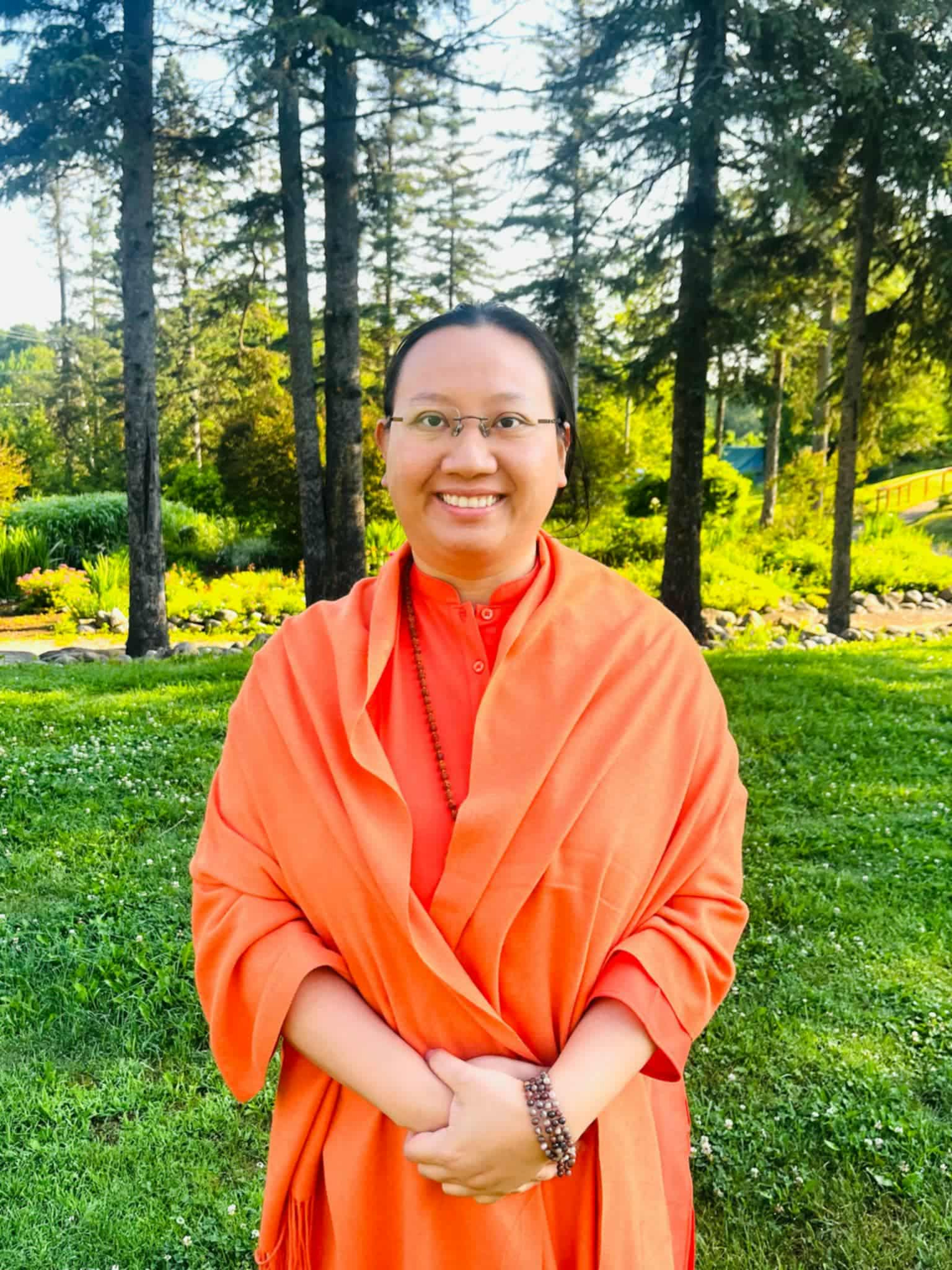
Swami Divyananda
YOGA PSYCHOLOGY
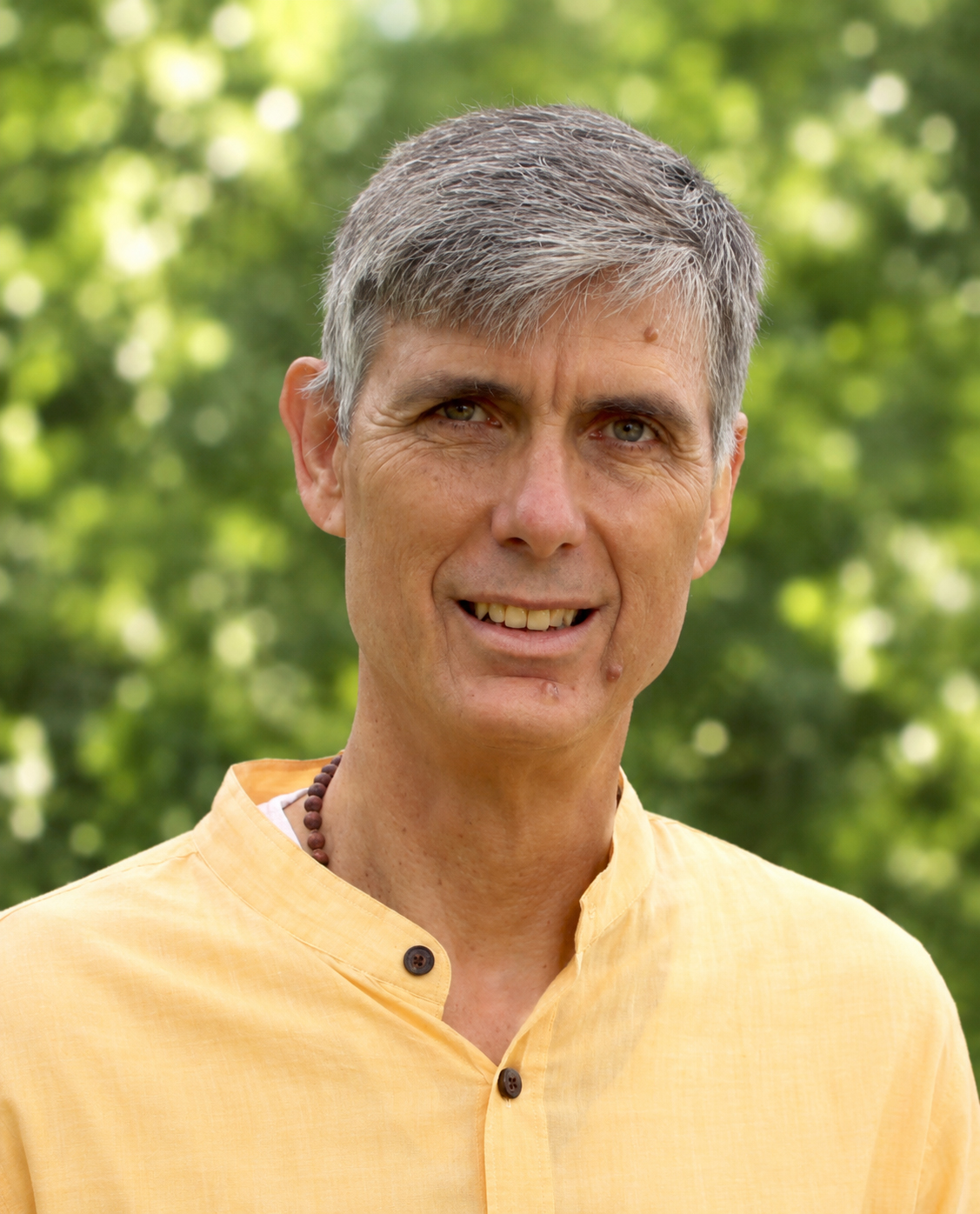
Srinivasan
YOGA FOR PEACE
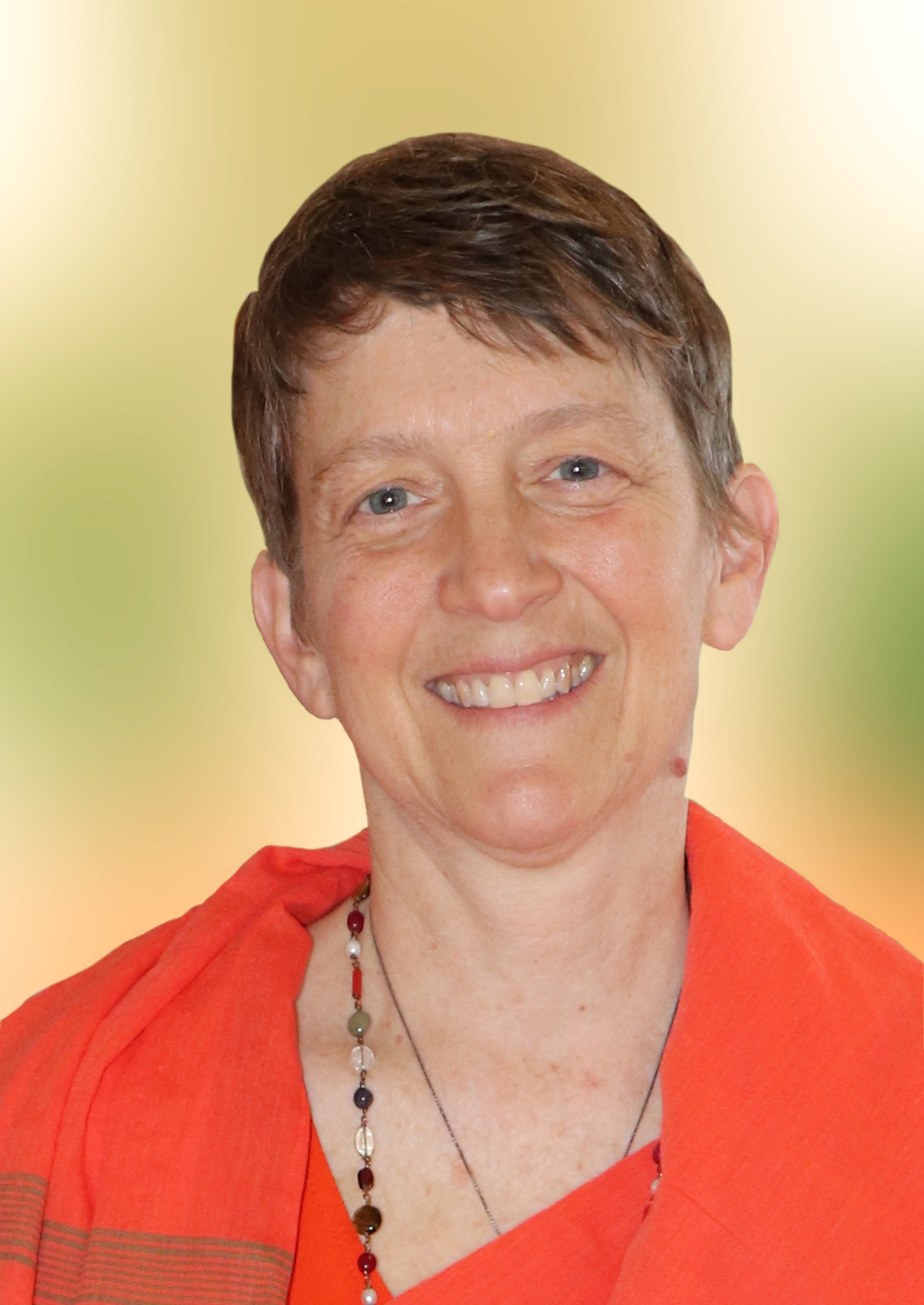
Swami Sivasankariananda
PAIN & GRIEF PSYCHOLOGY
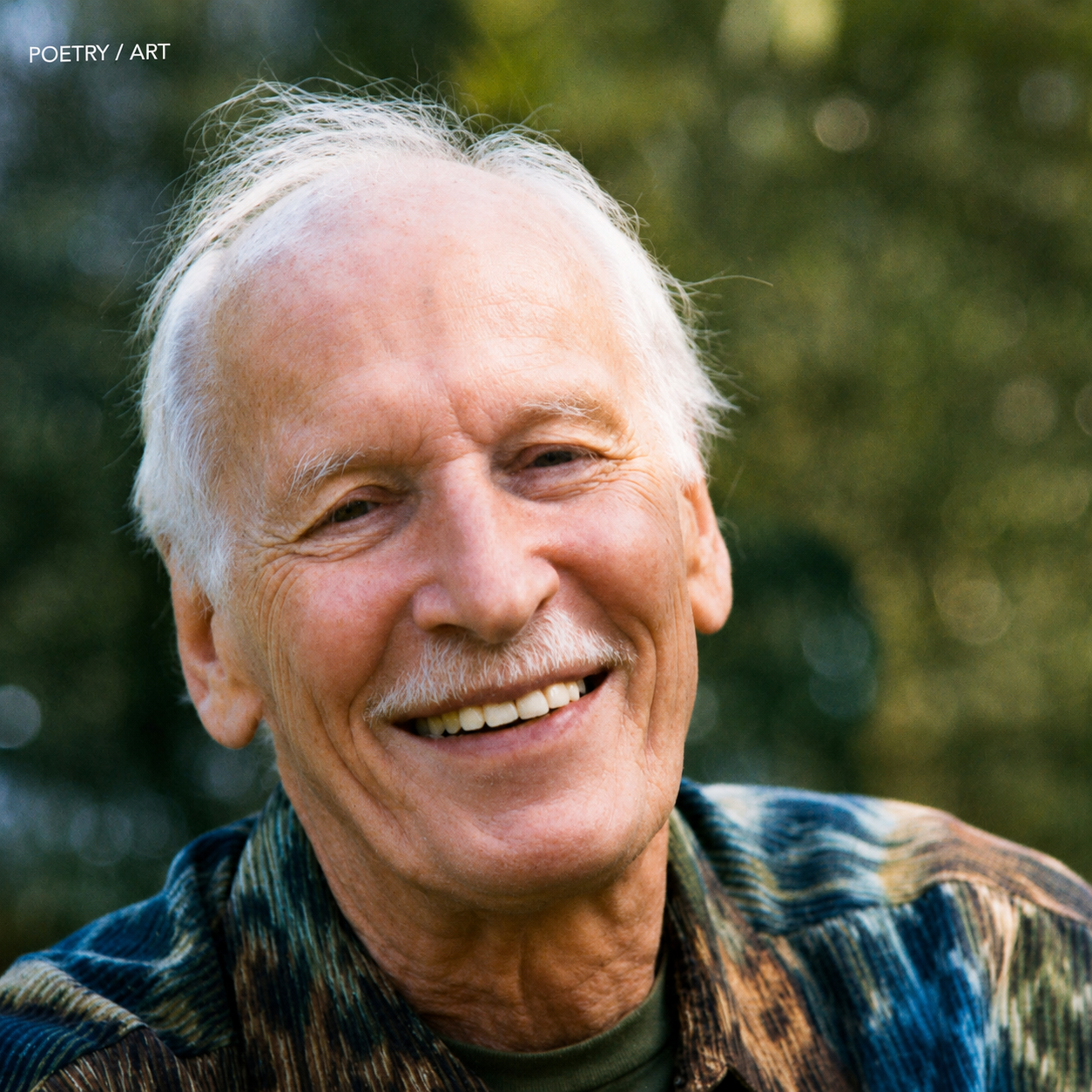
Stephen Longfellow Fiske
INTERFAITH MINISTER, SOCIAL INTEGRITY & JUSTICE
LauraSa
MULTI-CULTURAL DIALOGUE, WOMEN & COMMUNITY RESILIENCE
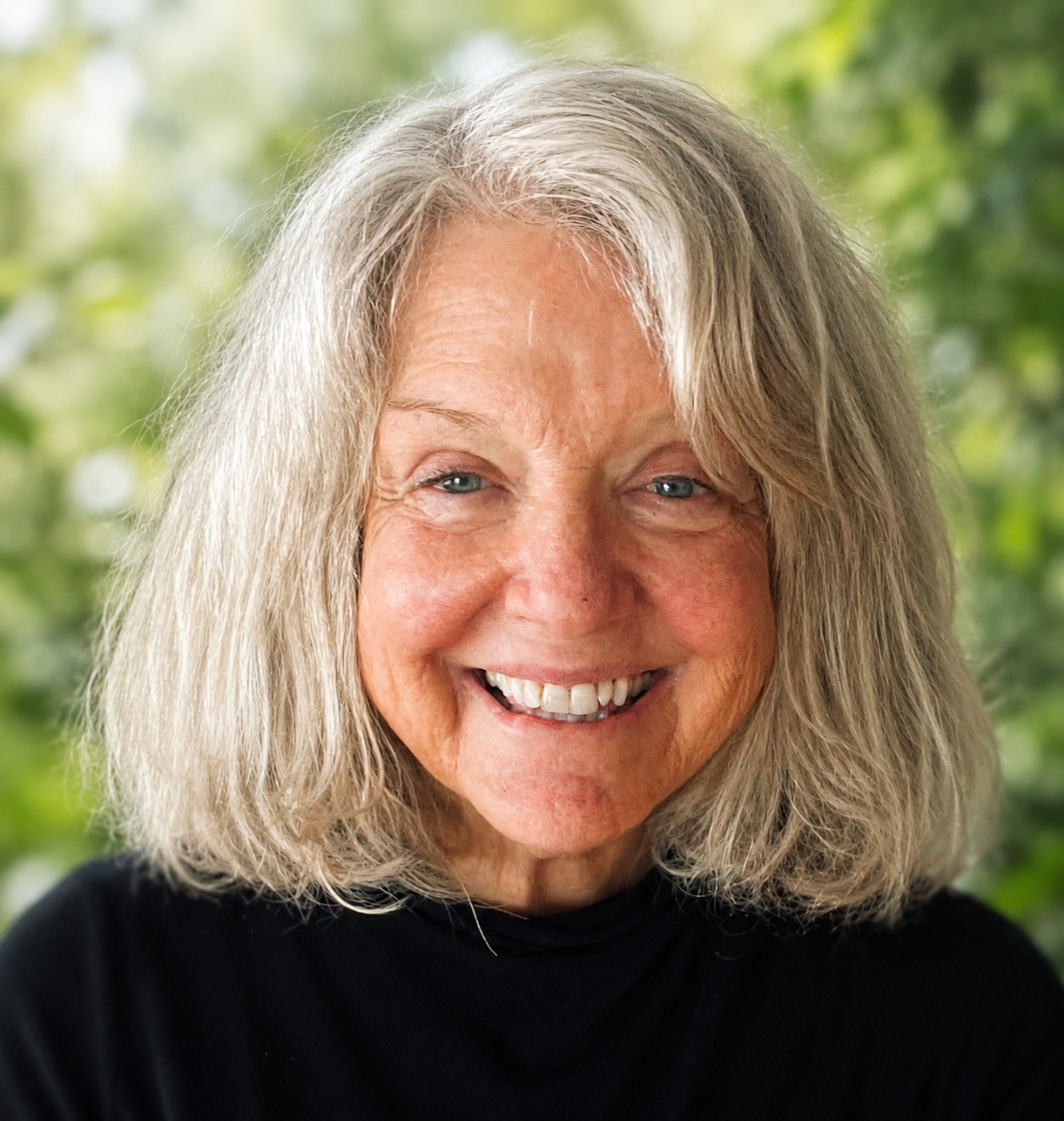
Di Strachan
LEADERSHIP TRAINER, FOUNDER OF POSITIVE FUTURES
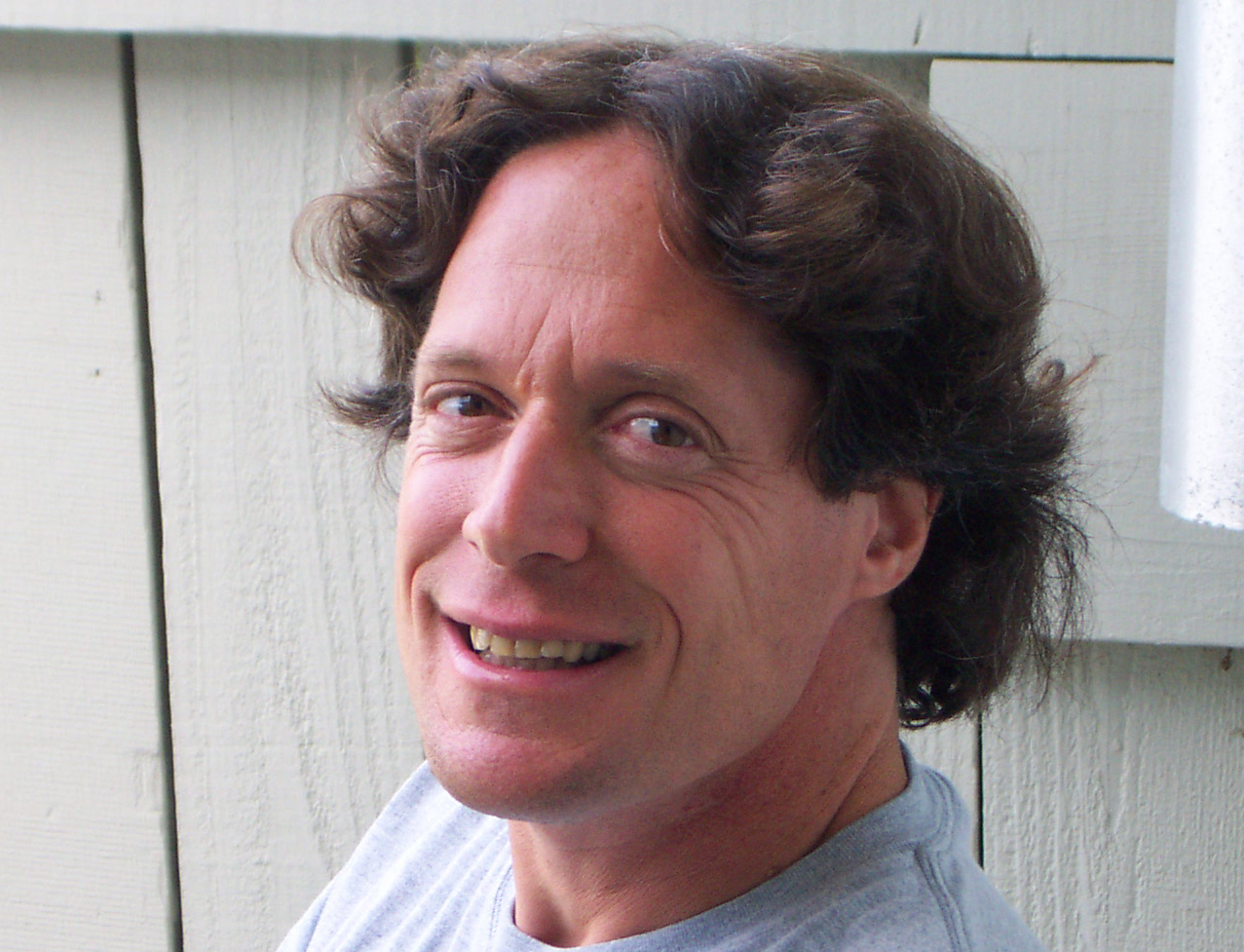
Fred Luskin, PhD
FORGIVENESS PSYCHOLOGY
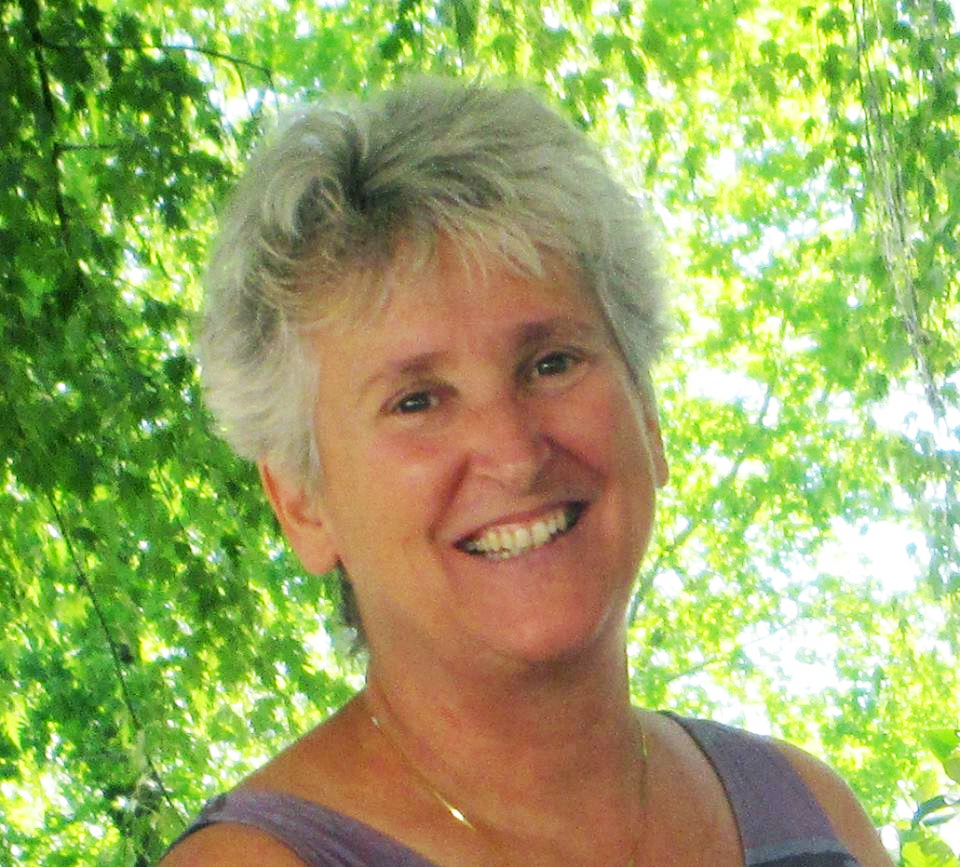
Mary Thompson
HEALTH & PEACE
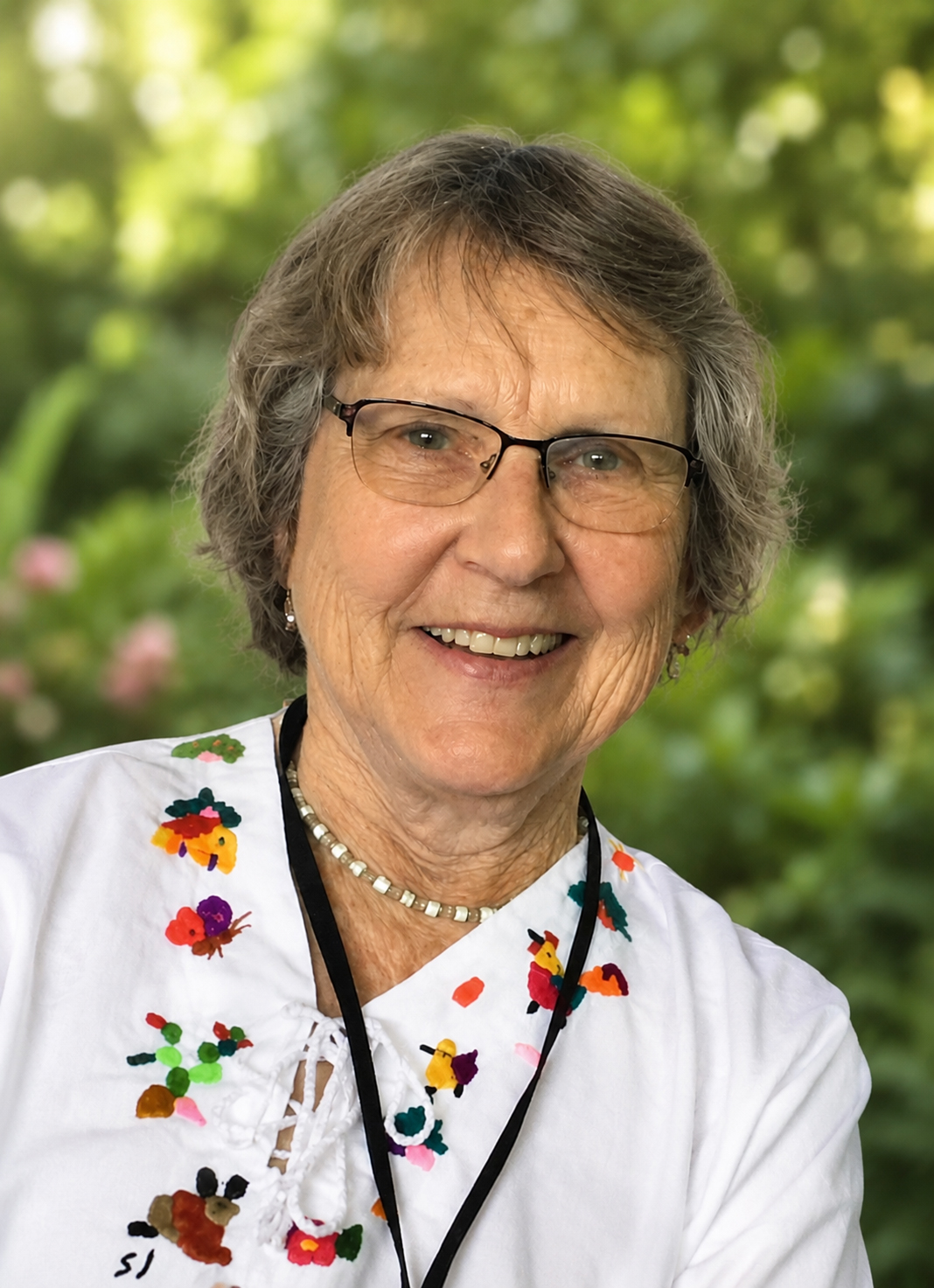
Joan Condon
CAPACITAR INTERNATIONAL, EMPOWERING AND HEALING COMMUNITIES
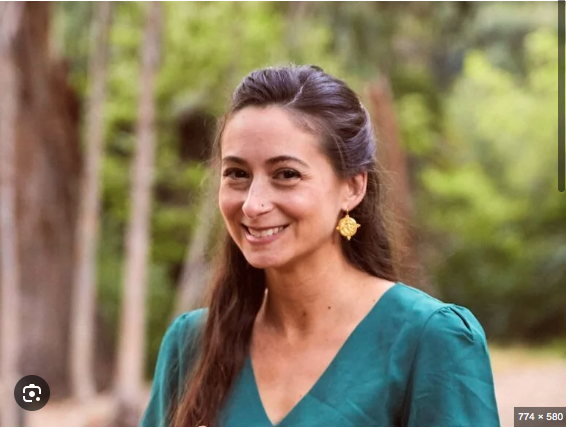
Jess Mariglio
CONFLICT RESOLUTION
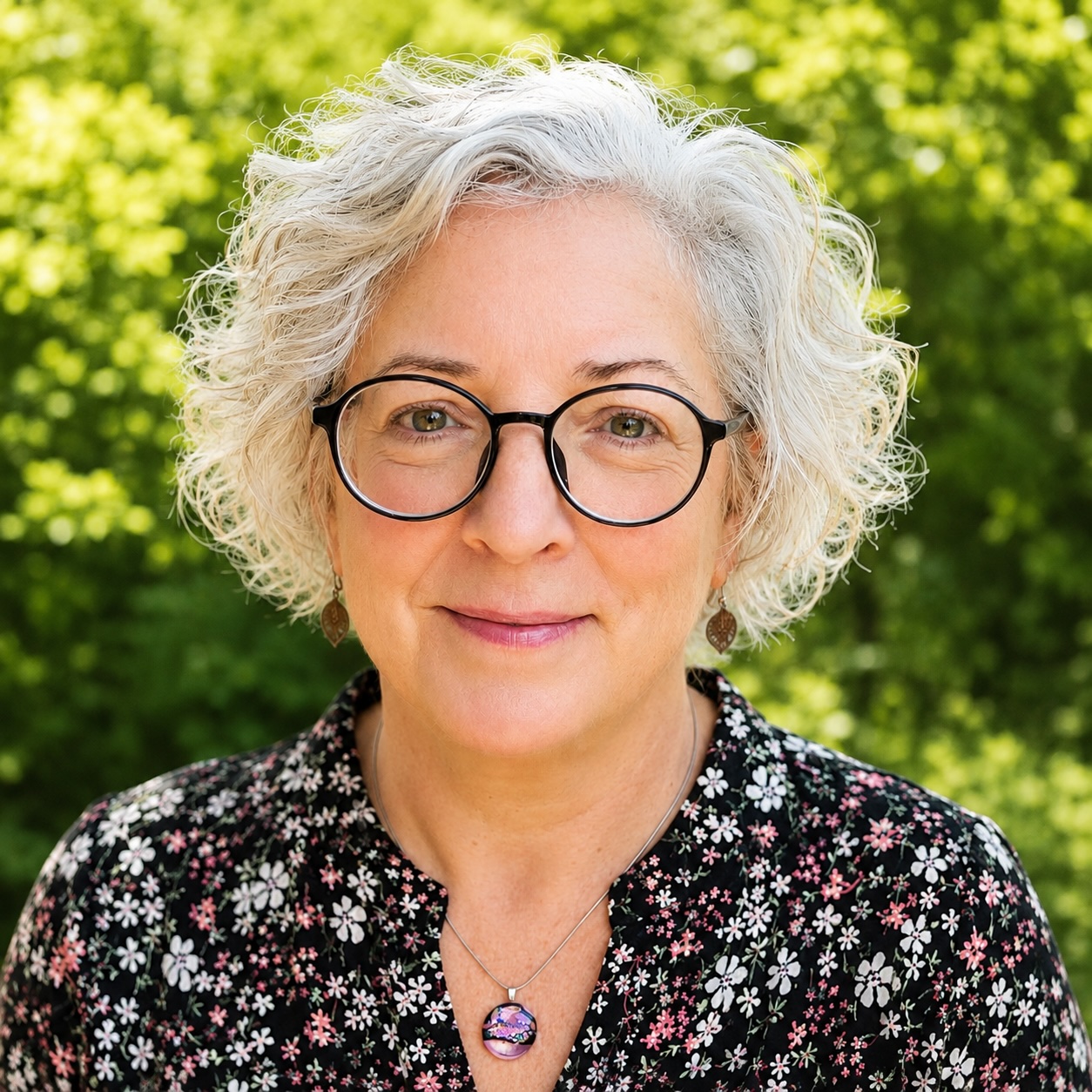
Durga Leela
YOGA OF RECOVERY
Chanda Hinton
ACCESSIBLE YOGA
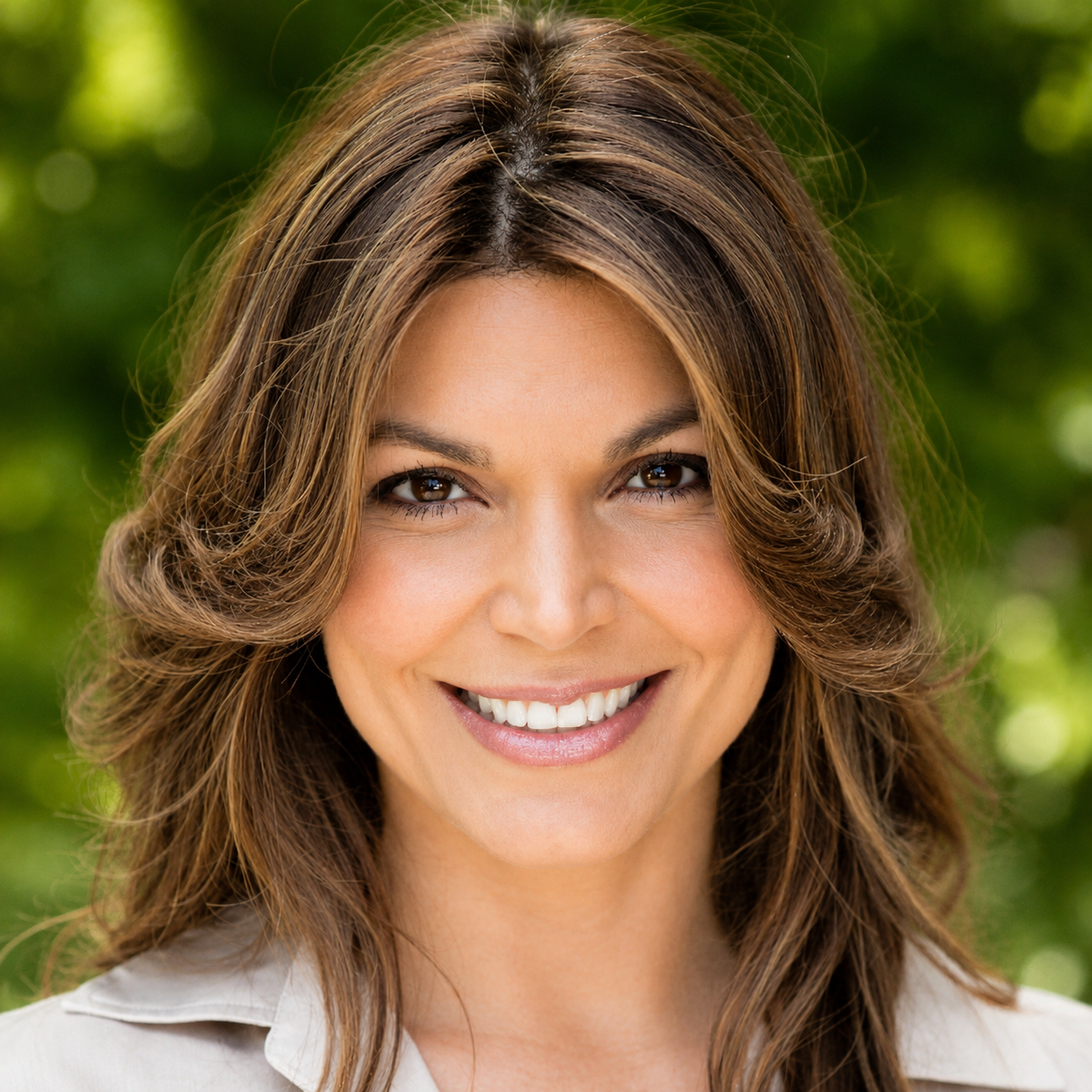
Jennifer D. Rhodes
ATTORNEY/MEDIATION
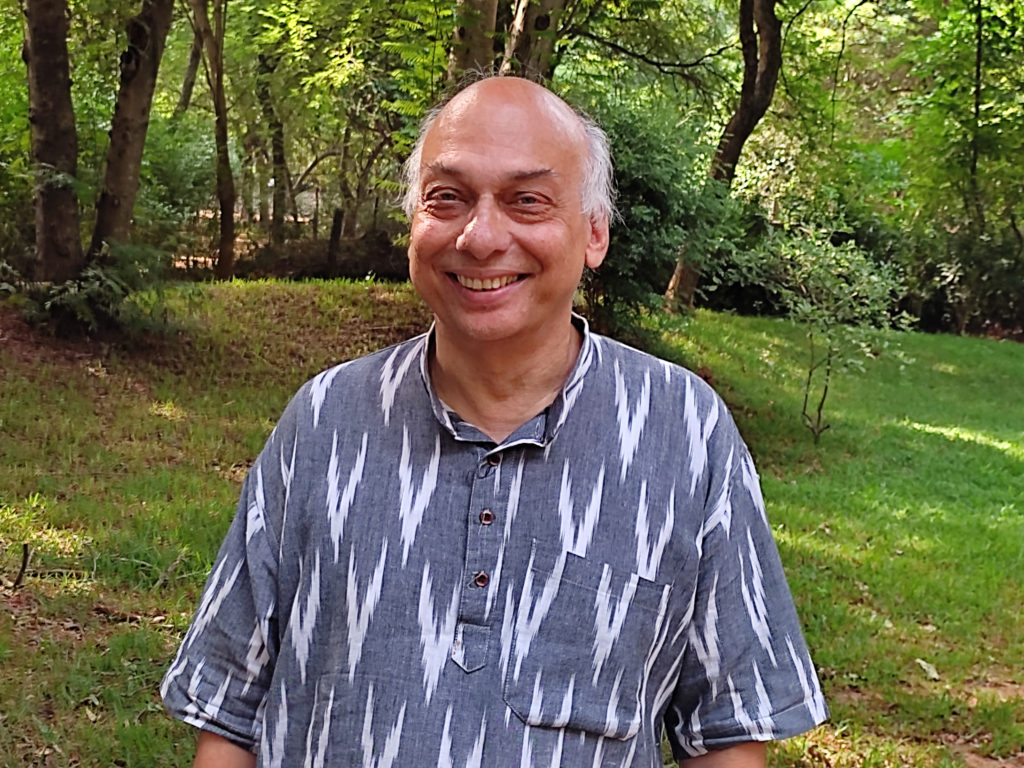
Dr. Debashish Banerji
PEACE & THE BHAGAVAD GITA
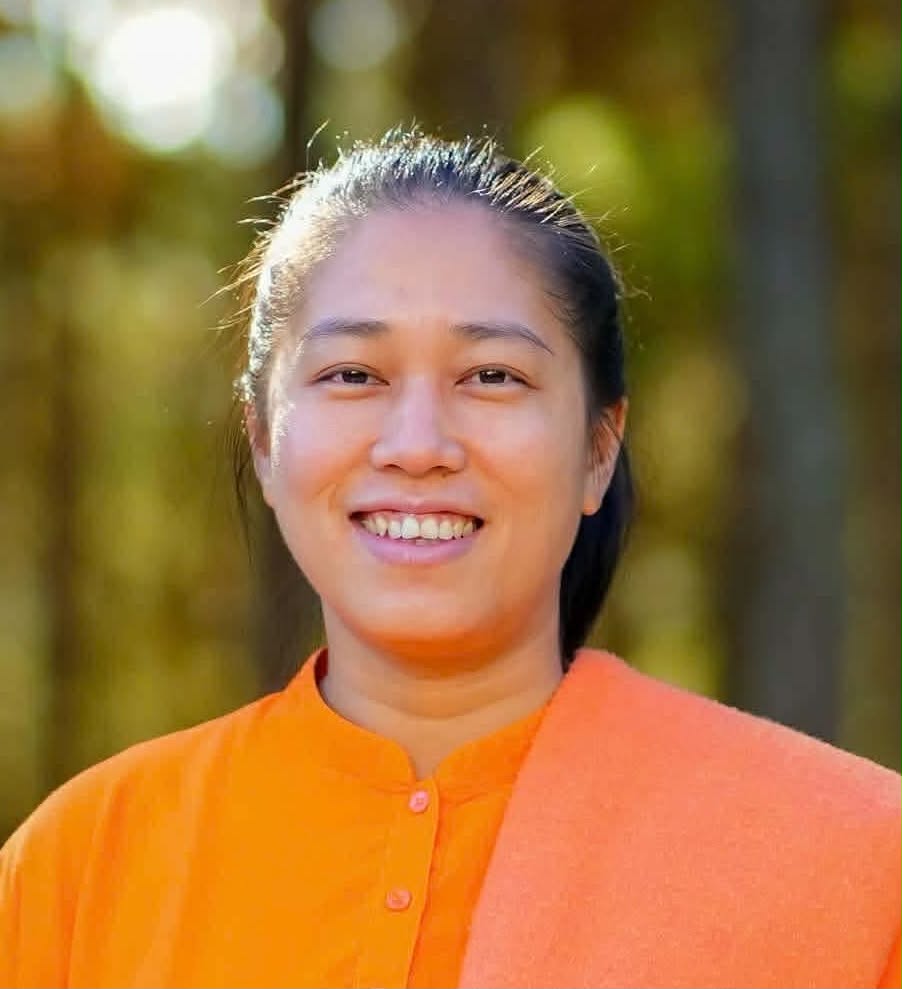
Swami Padmananda
STRESS & HATHA YOGA
Sarahjoy Marsh
DAYA FOUNDATION, NEUROBIOLOGY AND YOGA
Bidyut K. Bose
NIROGA INSTITUTE YOUTH EDUCATION
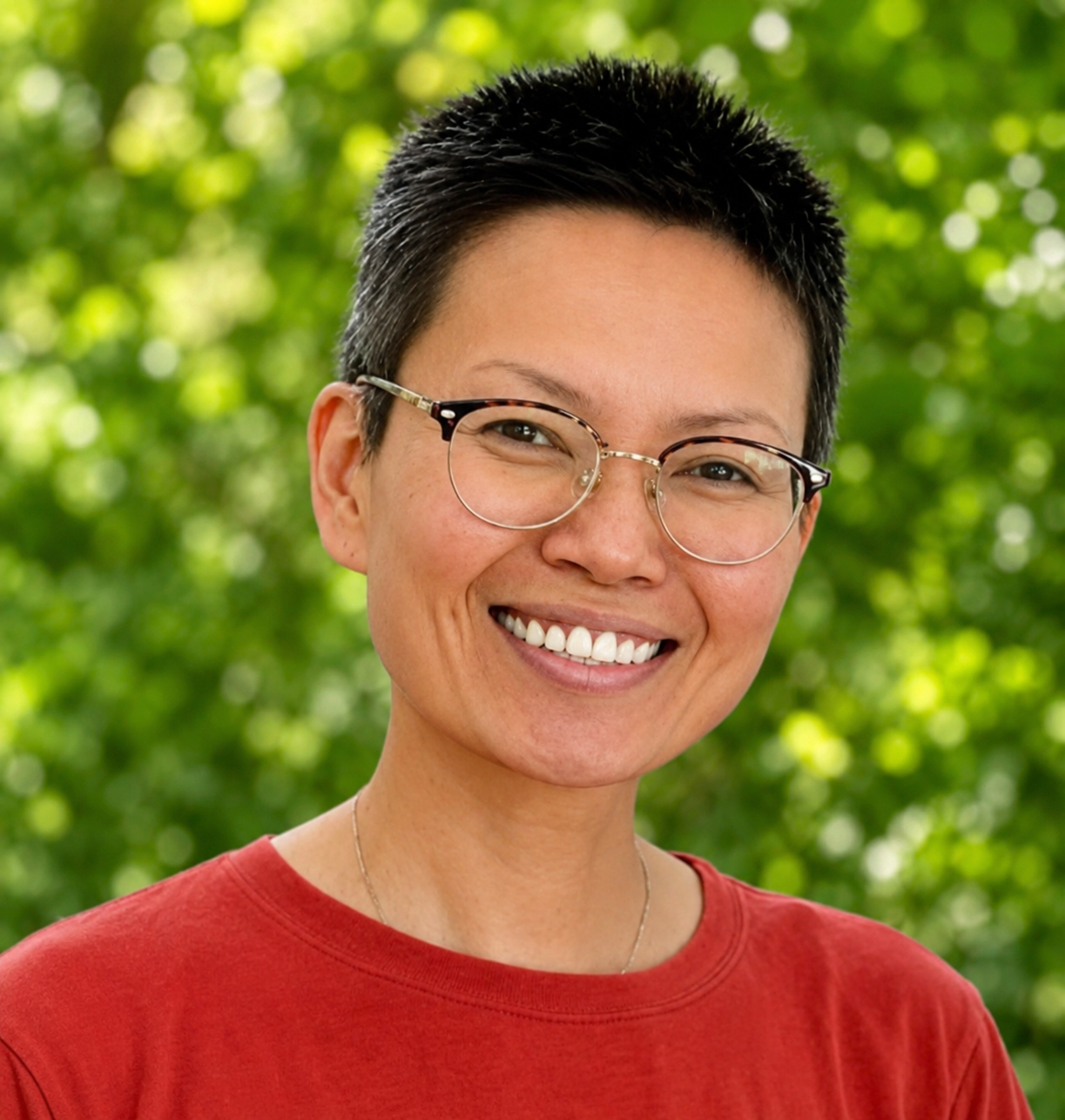
Swami Lakshmi Satyananda
PSYCHOLOGY & HEALTH
Tara Durga Devi
RESPECT & PREJUDICES TOWARD SENIORS
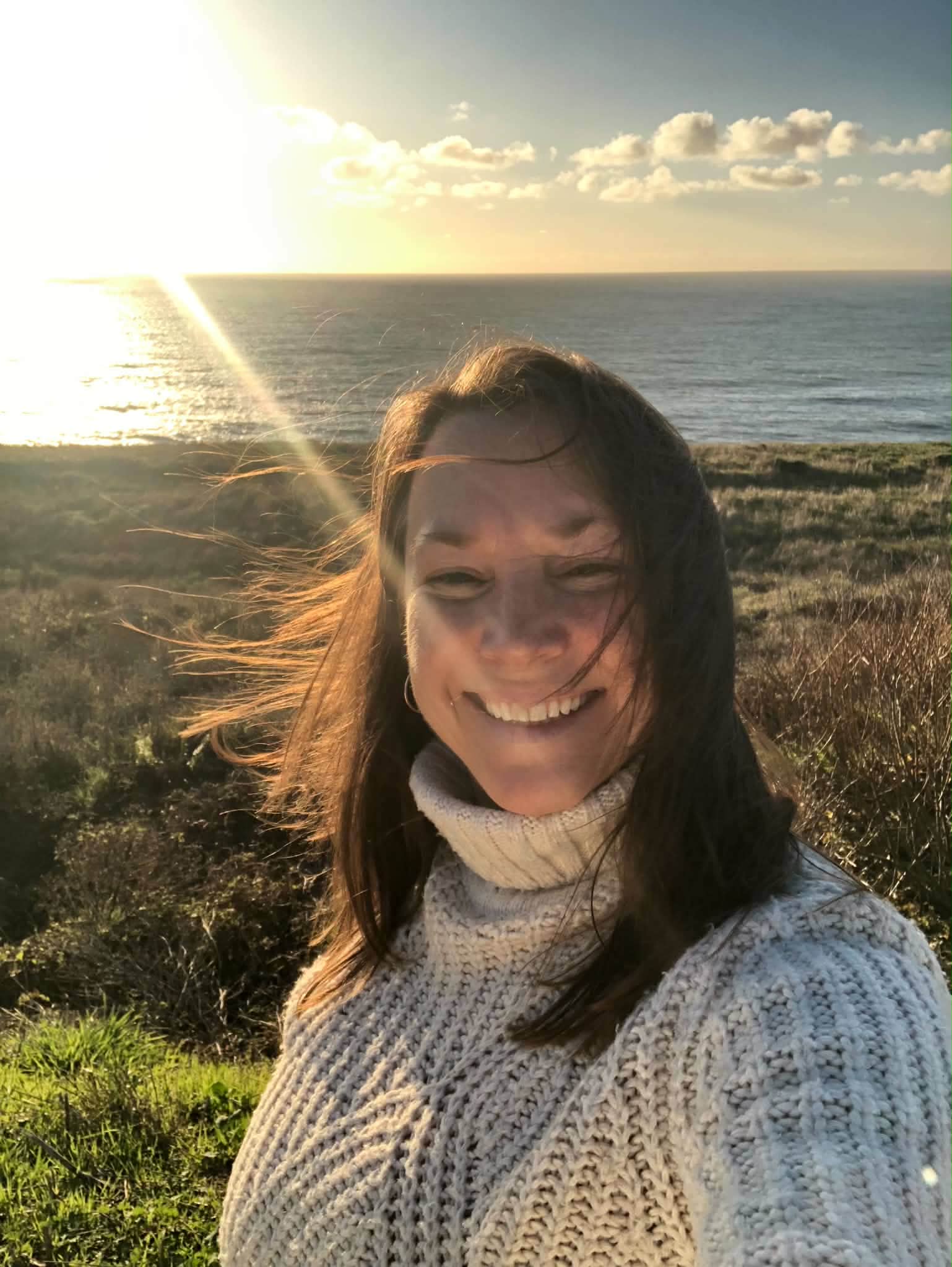
Lila Lolling
ECOLOGY & NEUROSCIENCE
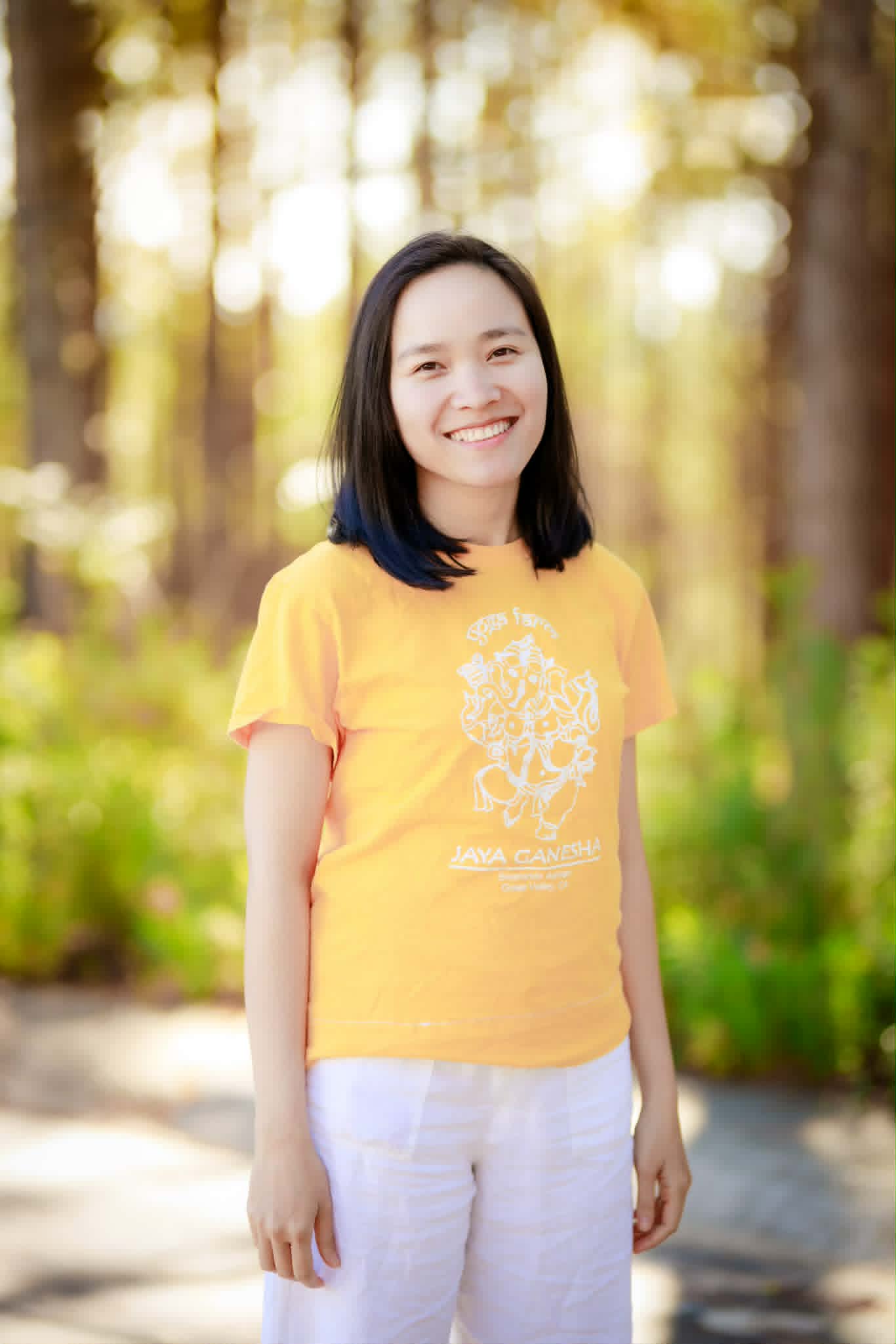
Yogini Saraswati
THERAPEUTIC COUNSELING
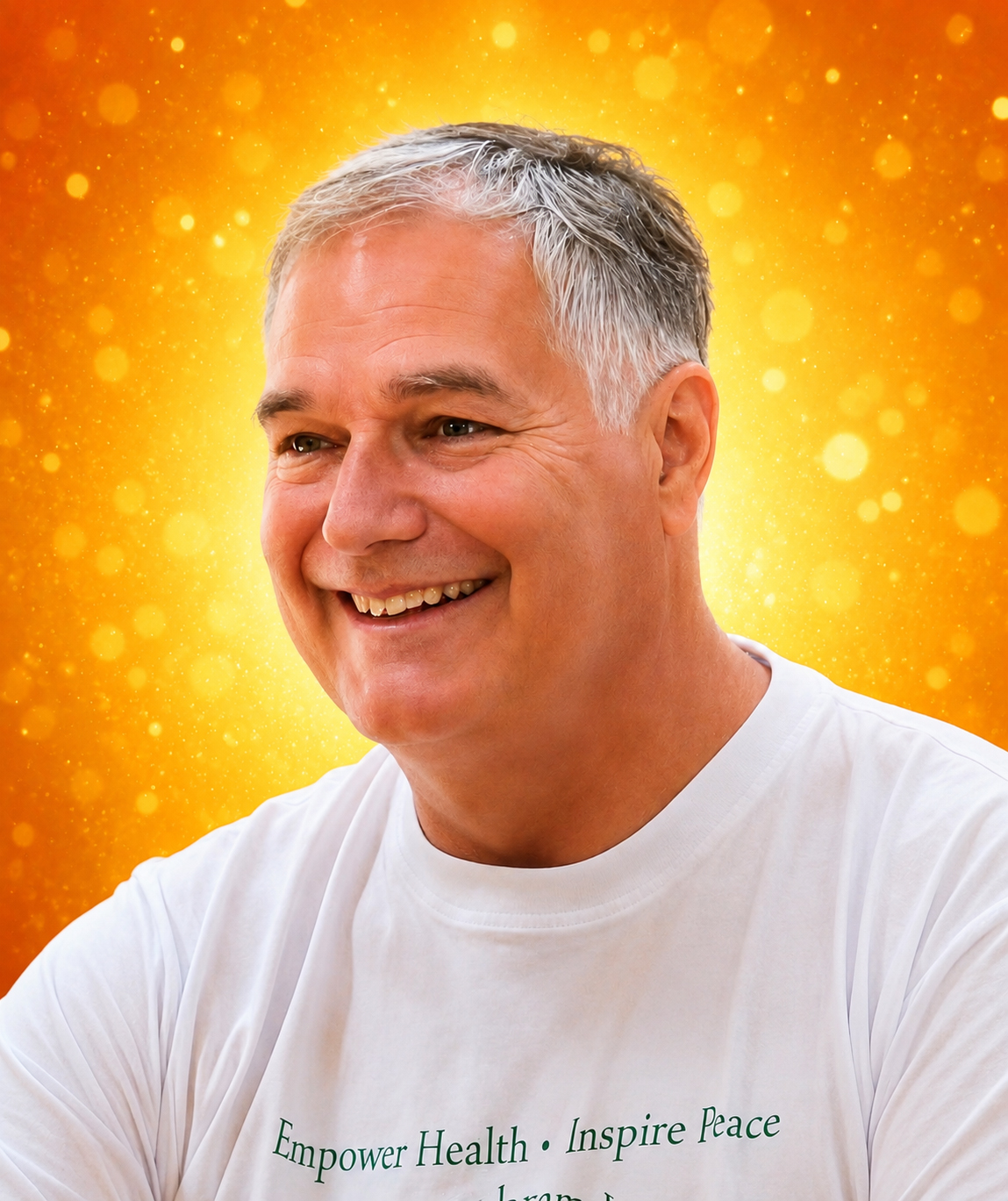
Ramana
MUSIC & KIRTAN
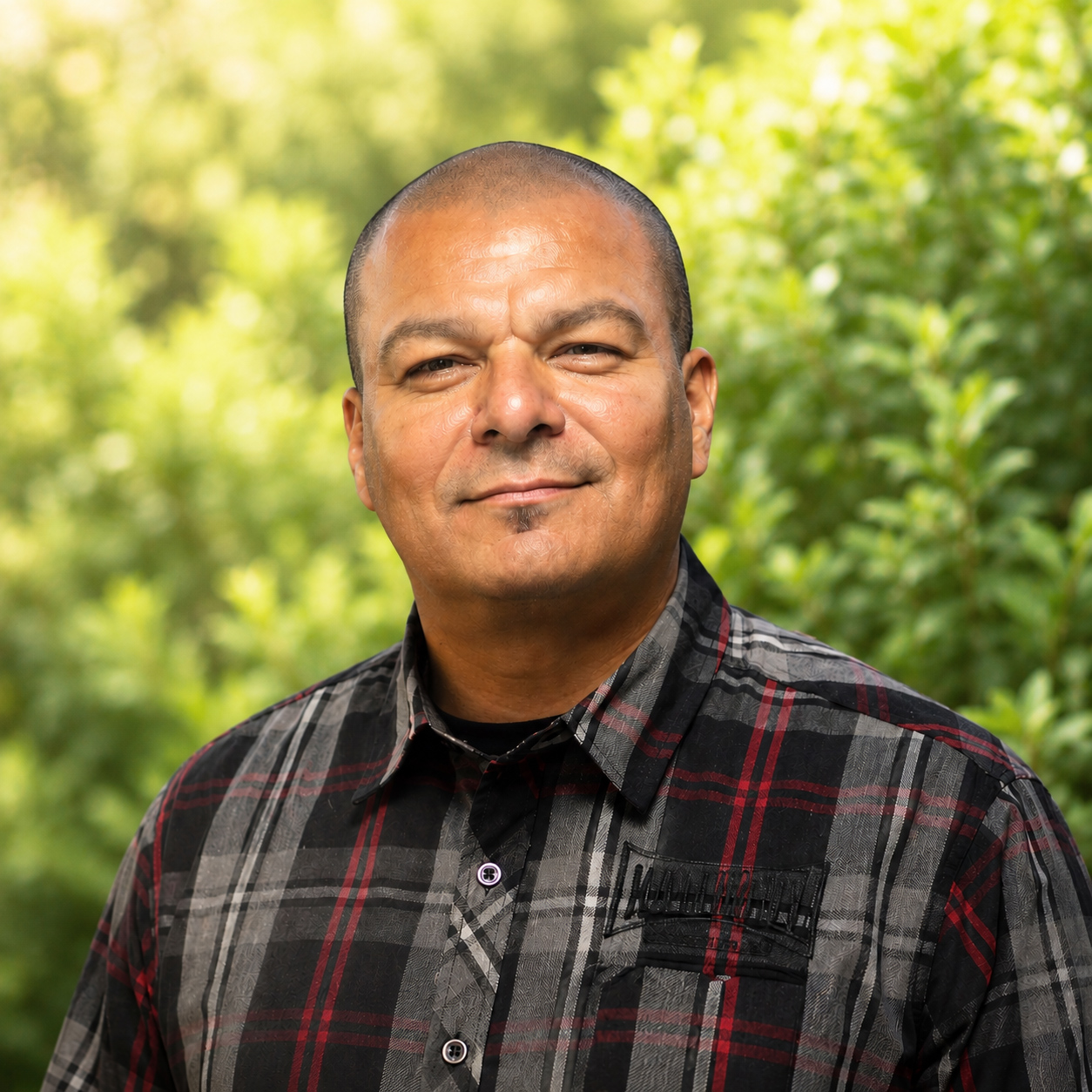
Hector Verdugo
HOMEBOY INDUSTRIES
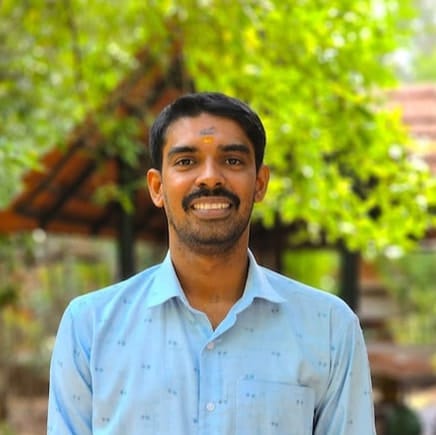
Dr. OMPRAKASH
FACULTY OF PEACE COURSE
More Information
Contact Us
We are happy to answer questions about our programs, retreats, and teacher training courses. Click the Contact Us button below to get in touch, or call us at (+84) 263 650 1100.
Contact UsFrequently Asked Questions
Find detailed answers to many of the most common questions about our yoga retreats, courses, and ashram programs.
READ FAQsSivananda Yoga Ho Chi Minh
147/8 Nguyễn Đình Chính, Phú Nhuận, Hồ Chí Minh (+84) 98 780 54 27| [email protected]
Sivananda Yoga Đà Lạt
B2-11 Khu Quy Hoạch Golf Valley, Xuân Hương - Đà Lạt, Lâm Đồng (+84) 263 650 1900 | [email protected]
Sivananda Yoga Hà Nội
26, ngõ 12/2/5 P. Đặng Thai Mai, Tây Hồ, Hà Nội (+84) 024 3996 3339 | [email protected]
Nhà Sức Khỏe Sivananda Yoga
ĐưKlan Resort, Đường Hoa Hồng, Phường Xuân Hương, Đà Lạt, Vietnam (+84) 35 350 1100 | [email protected]